10 Best Places to Retire in France

Retiring to France is a dream for many, but deciding where to settle often proves far more complex than expected. What begins as an exciting plan can quickly become overwhelming: climate data that contradicts itself, property prices that vary dramatically, and the realisation that a place loved on holiday may not suit everyday life long term.
As retirement approaches, priorities naturally shift. Income is often based on pensions, retirement plans, or long-term savings, and peace of mind becomes essential. Access to healthcare, ease of daily life, social connection, and proximity to people who matter often outweigh the pursuit of the "perfect" climate.
France offers extraordinary regional diversity. The goal is not to find the single best place to retire, but the place that best supports your lifestyle today and your needs tomorrow.
What Many Retirees Prioritise
When planning retirement in France, people often balance:
- A comfortable, manageable climate rather than extremes
- Reliable healthcare and hospitals within reasonable distance
- Walkable towns with shops, cafés, and markets
- Social interaction and community life, not isolation
- Transport links for family visits and travel
- Property values that remain sustainable long-term
With these priorities in mind, the regions below consistently stand out as strong retirement options.
1. South-West France (Tarn)
Why this region works: The Tarn offers a reassuring balance of affordability, mild climate, dependable healthcare, and authentic French town life. It is well suited to retirees who want stability without living in a heavily touristic area.
Albi
Why choose it: Albi combines architectural beauty with the practicality of a compact city designed for everyday living. It offers cultural richness without sacrificing comfort or accessibility.
Pros: A full-service hospital, walkable historic centre, cultural events, and direct rail connections support a secure retirement lifestyle.
Cons: Property prices are higher than in surrounding Tarn towns.
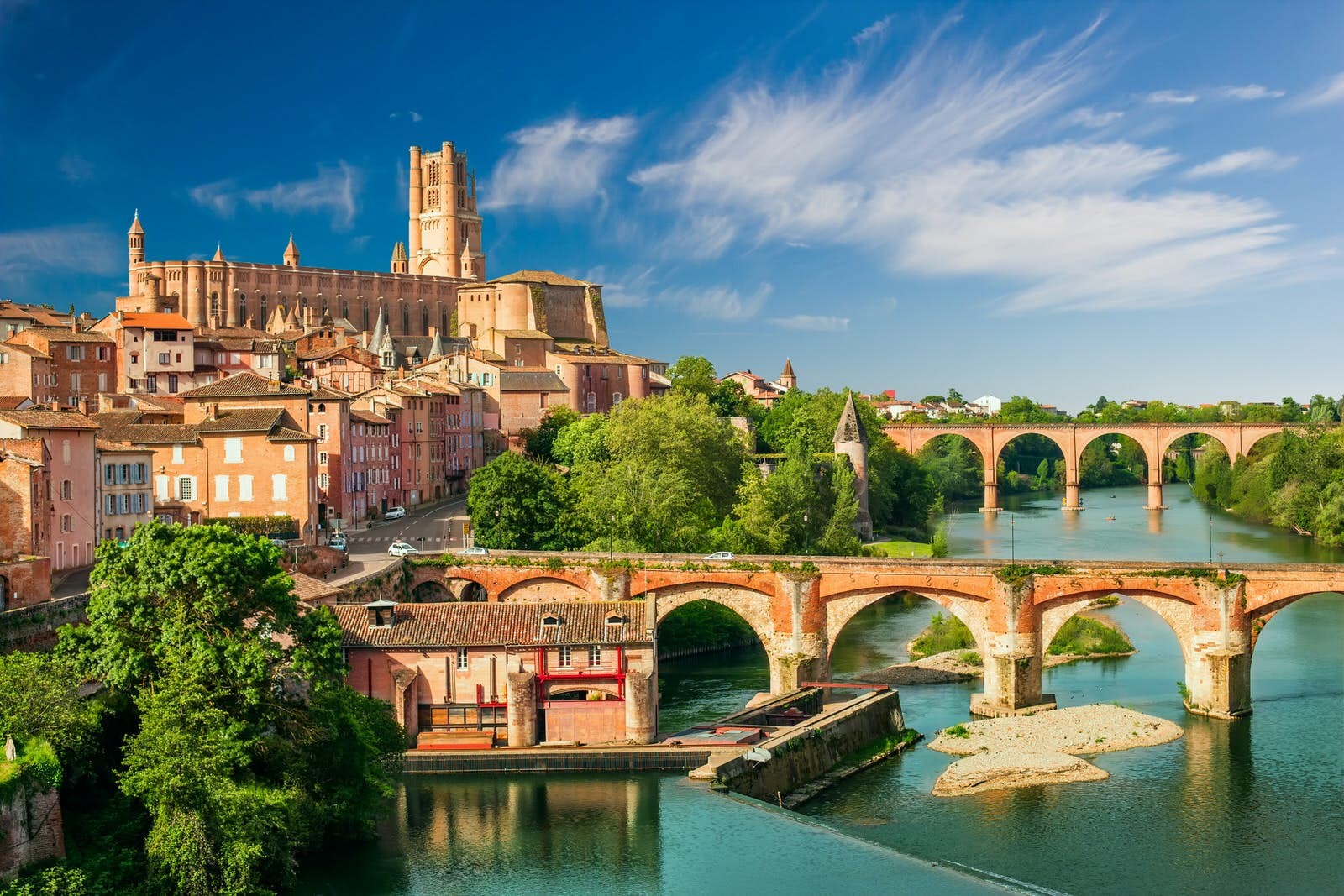
Albi, historic town with cathedral and bridge over the Tarn river
Gaillac
Why choose it: Gaillac appeals to retirees seeking a friendly, functional town with a strong sense of local community. Its wine culture and market life add character without excess tourism.
Pros: Reliable medical services, shops, markets, and train connections, with more accessible property prices than Albi.
Cons: Cultural and leisure options are more limited than in larger towns.
Graulhet
Why choose it: Graulhet provides a quieter and more affordable option while remaining practical for daily needs. It suits retirees prioritising cost control and calm living.
Pros: Everyday amenities are easy to access, and property prices are attractive for long-term planning.
Cons: The town lacks the visual charm of nearby Albi or Gaillac.
2. Mediterranean Coast (Languedoc)
Why this region works: The Languedoc offers sunshine, coastal living, and better value than the French Riviera. It suits retirees who prioritise climate, outdoor life, and lively towns with year-round populations.
Sète
Why choose it: Sète is a working port town with strong identity, culture, and daily life beyond tourism. It remains lively throughout the year rather than closing seasonally.
Pros: Excellent markets, solid healthcare access, and strong rail links enhance daily convenience.
Cons: A busy atmosphere and limited parking can be challenging.
Aigues-Mortes
Why choose it: Aigues-Mortes offers a unique historic setting combined with walkable daily living. Its compact layout encourages social interaction.
Pros: Shops, cafés, and services are close by, creating an engaging everyday environment.
Cons: Tourism is heavy during peak summer months.
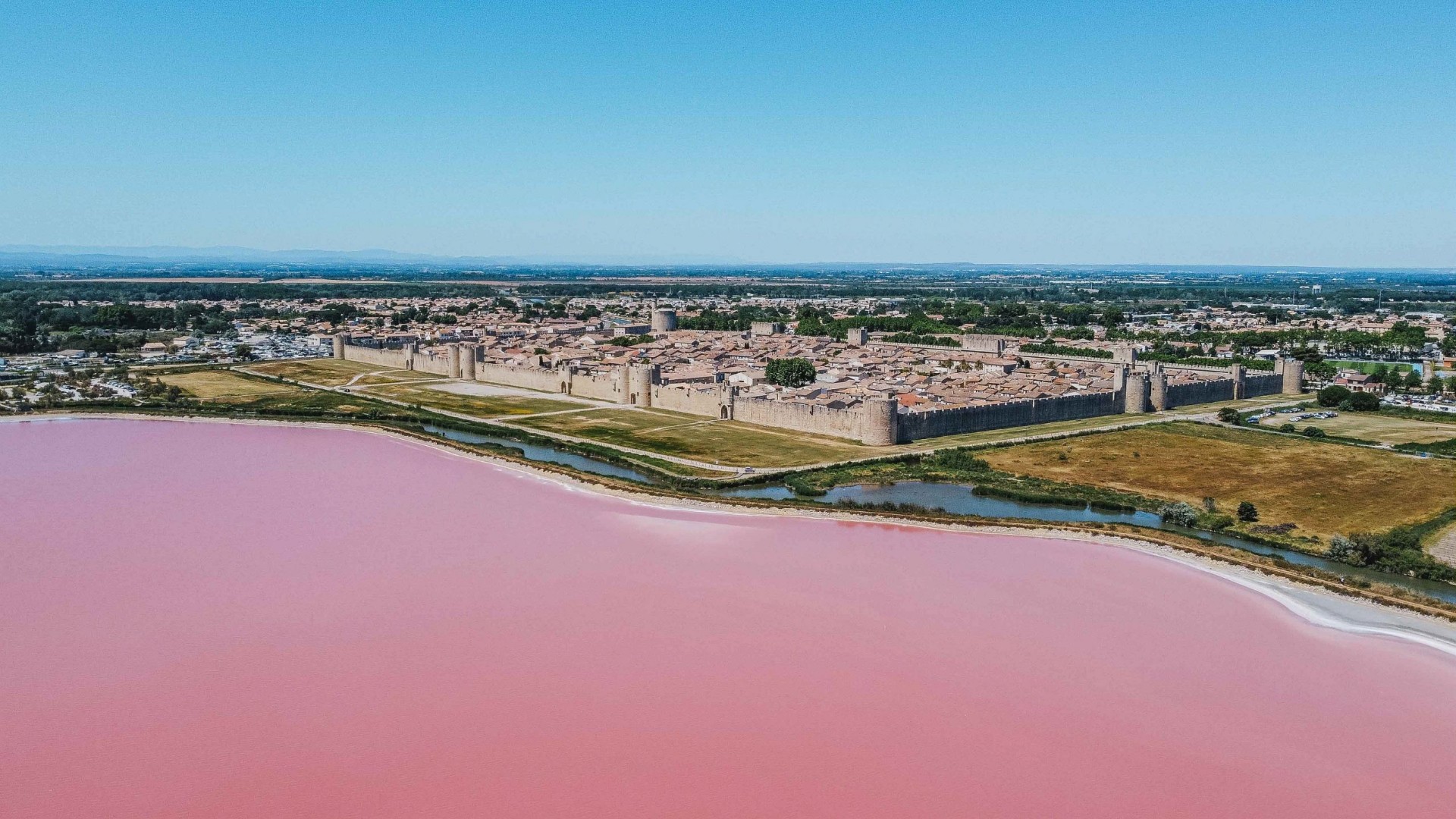
Pink Salt Lakes, Aigues-Mortes
Le Grau-du-Roi
Why choose it: A genuine seaside town with a permanent population rather than a seasonal resort. It suits retirees who want coastal living without exclusivity.
Pros: Walkable layout, mild winters, and rail access to Montpellier make life practical.
Cons: Property sizes are often small.
3. Provence (Aix-en-Provence Area)
Why this region works: Provence consistently ranks highly for quality of life, healthcare standards, and cultural richness. It appeals to retirees seeking refinement and structure.
Aix-en-Provence
Why choose it: Elegant and culturally rich, Aix offers a refined yet highly functional retirement lifestyle. The city balances beauty with excellent services.
Pros: Outstanding healthcare, vibrant daily life, and strong transport connections.
Cons: High property prices.

Lavender fields, Aix-en-Provence
Lambesc
Why choose it: Lambesc delivers Provençal charm with a calmer pace while remaining close to Aix. It suits those who prefer village life without isolation.
Pros: More affordable housing and a strong local community feel.
Cons: A car is usually necessary.
Salon-de-Provence
Why choose it: A practical and well-equipped town offering everyday convenience. It prioritises functionality over aesthetics.
Pros: Hospitals, shops, and transport links are well developed.
Cons: The atmosphere is less refined than Aix.
4. Brittany (Morbihan)
Why this region works: Southern Brittany combines coastal air, moderate temperatures, and strong community life. It appeals to retirees seeking balance rather than heat.
Carnac
Why choose it: Carnac blends seaside living with historical depth and year-round services. It remains active beyond the summer season.
Pros: Walkable centre, nearby healthcare, and a stable off-season population.
Cons: Busy during peak summer months.
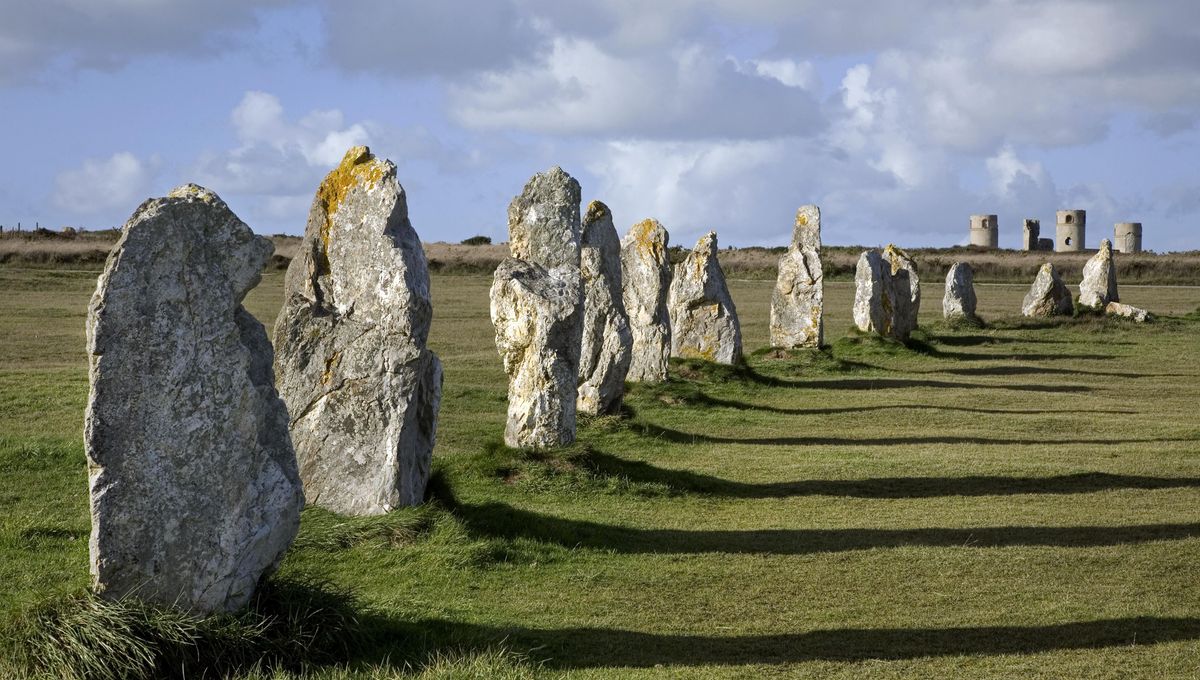
7,000-year-old prehistoric stone alignments, Carnac
Auray
Why choose it: A charming market town with excellent rail connections. It offers easy access to both coast and countryside.
Pros: Lively centre, strong services, and good transport links.
Cons: Rising property prices.
Vannes
Why choose it: Vannes serves as a regional hub with excellent infrastructure. It is well suited to retirees who prioritise access to care.
Pros: Hospitals, shops, and transport are all close at hand.
Cons: A more urban feel than smaller Breton towns.
5. French Riviera (Côte d'Azur)
Why this region works: The Riviera offers mild winters, world-class healthcare, and international connectivity. It suits retirees comfortable with density and higher costs.
Nice
Why choose it: A dynamic coastal city with exceptional medical facilities and transport access. It supports independent living well into later years.
Pros: Walkable lifestyle, major hospitals, and excellent transport connections.
Cons: High density and expensive property.
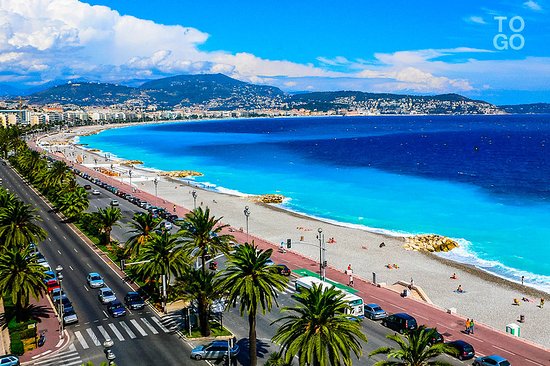
Nice, Côte d'Azur
Antibes
Why choose it: Antibes provides Riviera charm with a slightly calmer pace than Nice. It maintains a genuine year-round population.
Pros: Walkable centre, stable daily life, and good healthcare access.
Cons: Property remains expensive.
Menton
Why choose it: Menton offers a gentler Riviera lifestyle close to the Italian border. Its climate is among the mildest in France.
Pros: Pleasant weather and a manageable pace of life.
Cons: Fewer cultural and entertainment options.
6. Alps & Eastern France
Why this region works: This area appeals to retirees who value organisation, nature, and consistently high quality of life. Healthcare standards are strong.
Annecy
Why choose it: Lakeside living combined with excellent infrastructure and services. It suits active retirees.
Pros: Walkable town, outdoor lifestyle, and top-tier medical facilities.
Cons: Very high property prices.
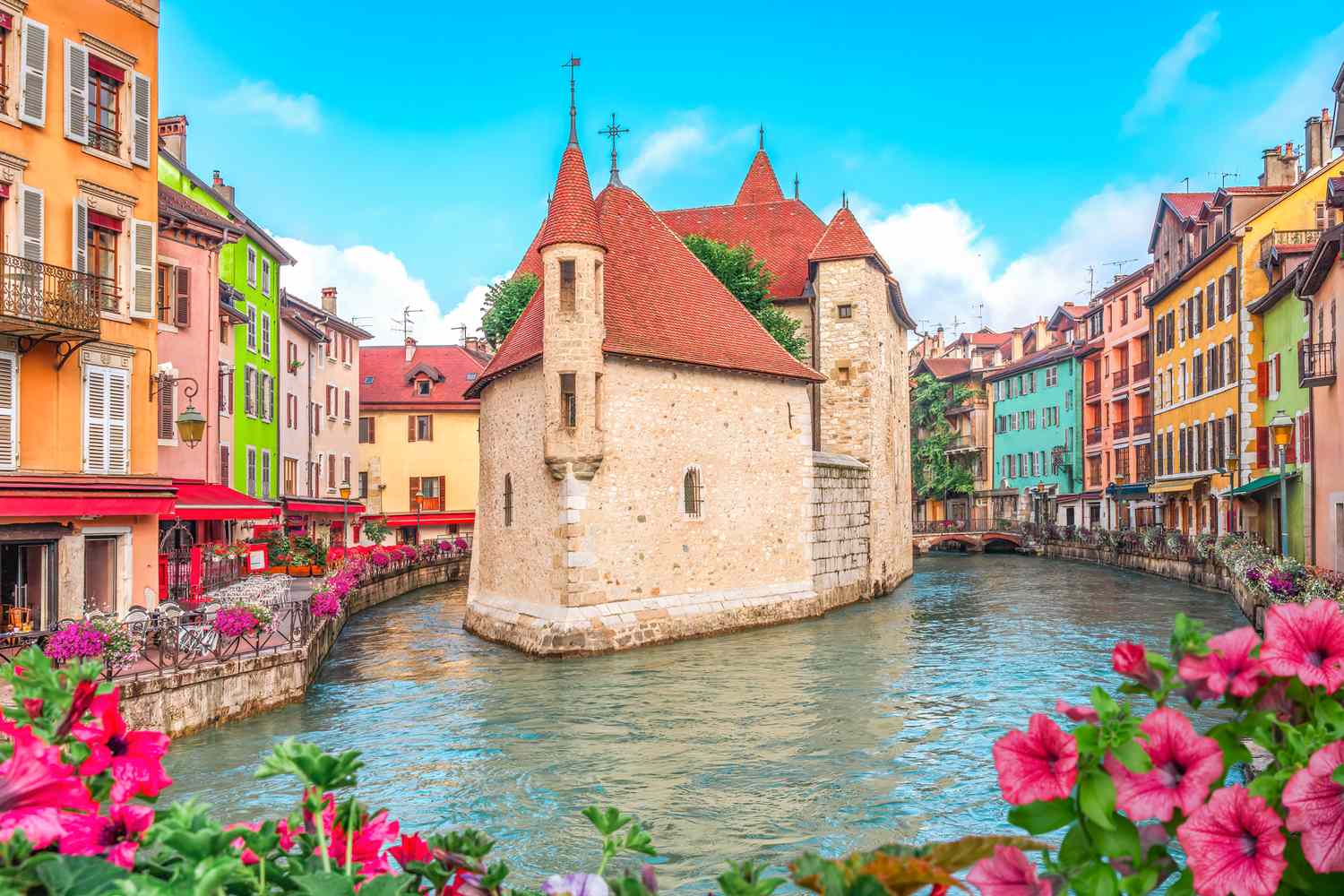
Annecy, Alps' Little Venice
Besançon
Why choose it: A balanced and affordable city with strong public services. It remains under the radar compared to other regions.
Pros: Excellent healthcare and good value property.
Cons: Colder winters.
Grenoble Outskirts
Why choose it: Access to major services with more space outside the city centre. It suits retirees who want value without isolation.
Pros: Hospitals, transport links, and lower property prices.
Cons: Some areas feel urban and dense.
7. Atlantic Coast & Islands
Why this region works: The Atlantic coast appeals to retirees focused on wellbeing, fresh air, and calmer rhythms of life.
Arcachon
Why choose it: An elegant seaside town with a strong permanent population. It offers structure beyond holiday seasons.
Pros: Walkable, well-equipped, and active year-round.
Cons: High property prices.
Île de Ré
Why choose it: Refined island living with excellent infrastructure. It attracts retirees seeking beauty and community.
Pros: Attractive villages and strong social life.
Cons: Very expensive property.
Île d'Oléron
Why choose it: A more relaxed and affordable island alternative. It suits nature-oriented retirees.
Pros: Space, greenery, and steadily improving services.
Cons: Specialist healthcare requires mainland travel.
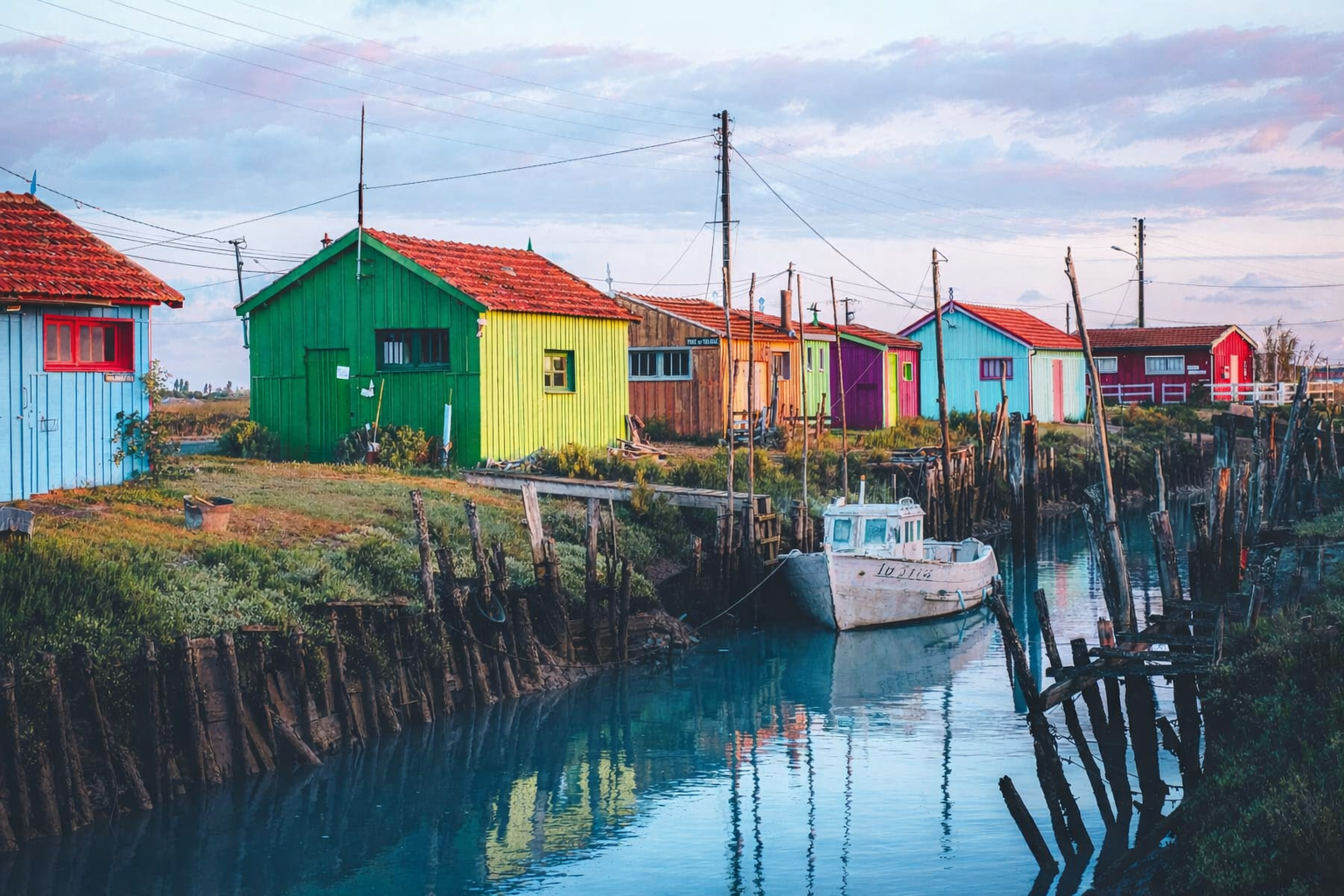
Fishing village canals, Île d'Oléron
8. Normandy (Balanced & Understated)
Why this region works: Normandy offers stability, good services, and moderate summer temperatures. It appeals to retirees seeking reliability over glamour.
Bayeux
Why choose it: Historic yet highly practical for everyday living. It balances charm with functionality.
Pros: Healthcare access, rail connections, and proximity to the coast.
Cons: Cooler, wetter climate.
Pont-l'Évêque
Why choose it: A characterful town with excellent road and rail access. It remains lively year-round.
Pros: Good services and transport links to Paris and the coast.
Cons: Higher prices than nearby villages.
Deauville
Why choose it: A well-maintained coastal town with strong infrastructure and services. It suits retirees who value order and accessibility.
Pros: Excellent transport links, healthcare access, and walkable layout.
Cons: Property prices are high for Normandy.
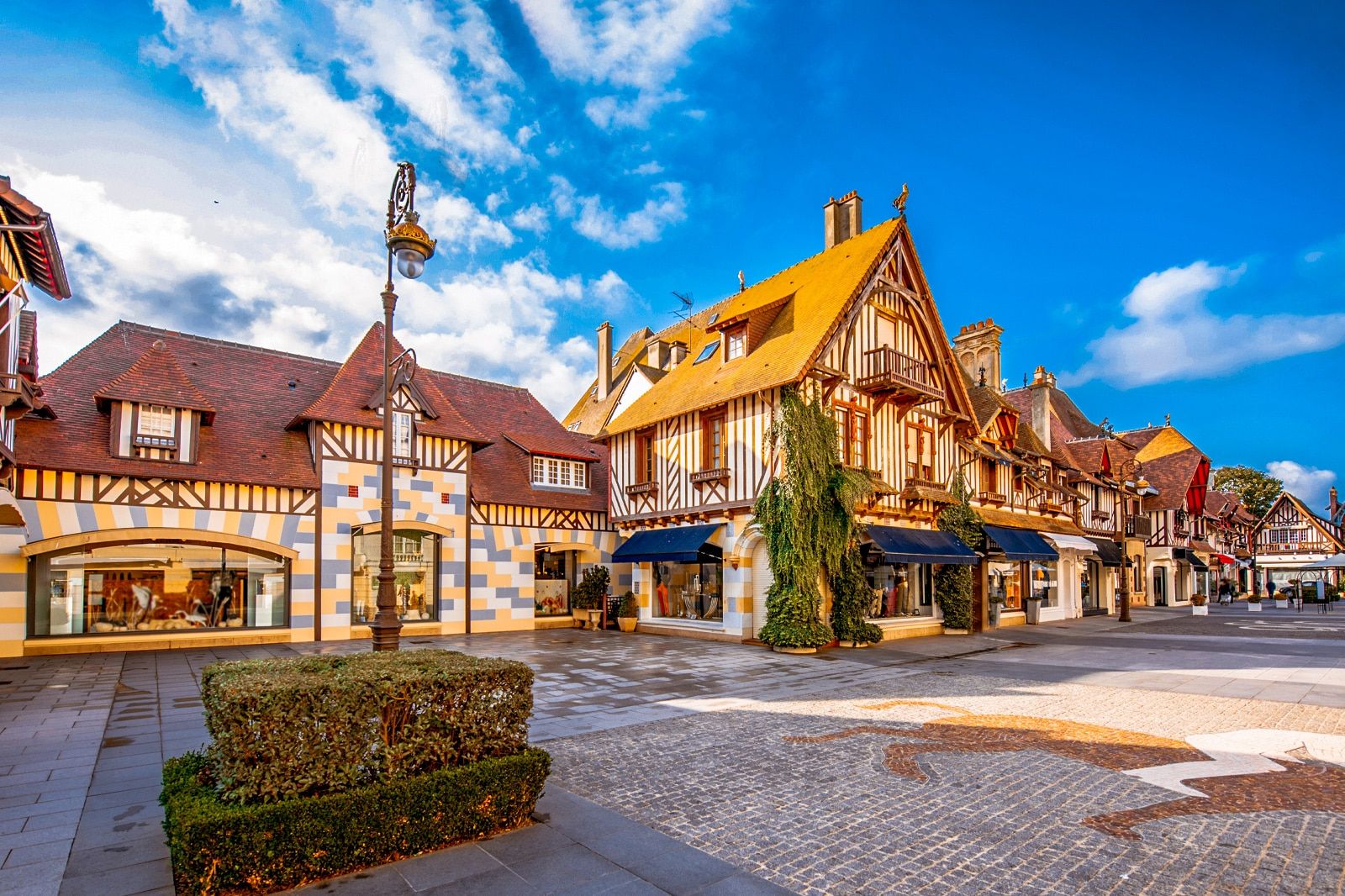
Deauville, elegant seaside town
9. Dordogne (Périgord Vert & Blanc)
Why this region works: The Dordogne attracts retirees seeking greenery, calm living, and strong community ties. It offers good value with a slower pace.
Brantôme-en-Périgord
Why choose it: A picturesque setting combined with practical daily services. It remains lively beyond peak season.
Pros: Shops, cafés, and healthcare access support social life.
Cons: Popularity has increased property prices.
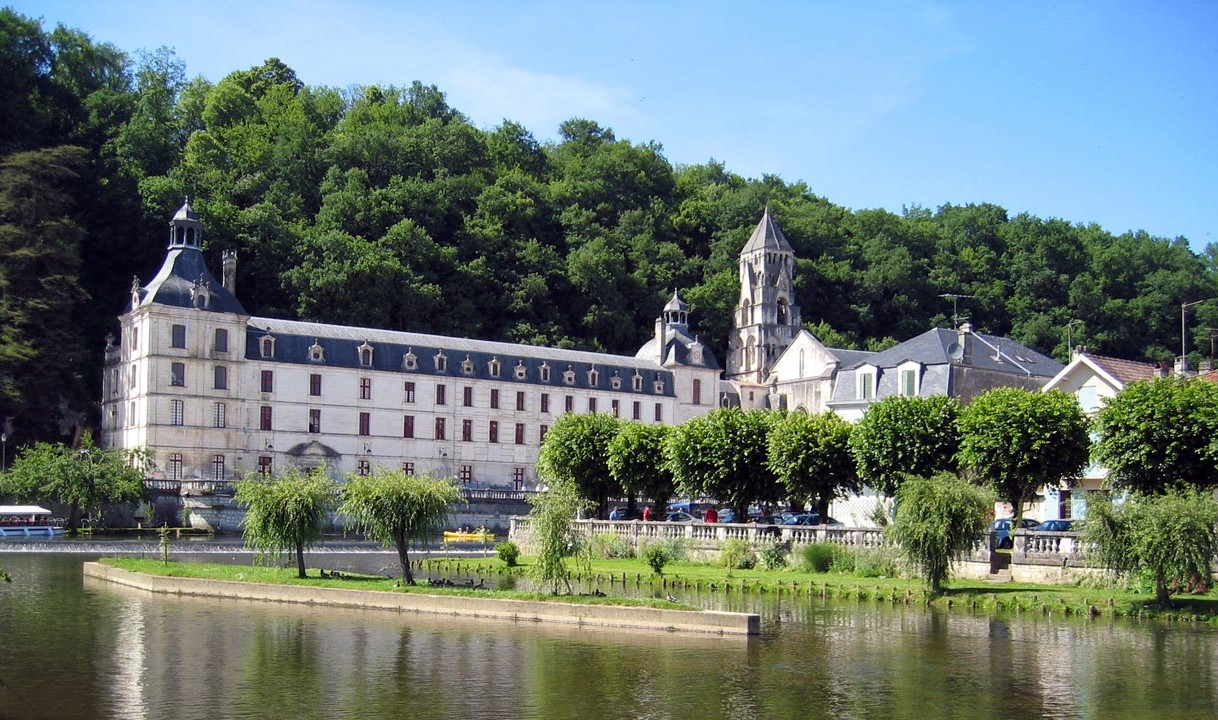
Abbey Saint-Pierre de Brantôme
Ribérac
Why choose it: A genuine market town with a stable year-round population. It prioritises function over image.
Pros: Strong services and reliable daily life.
Cons: Less scenic surroundings.
Mareuil-en-Périgord
Why choose it: Quiet, friendly, and affordable. It suits retirees who value peace over activity.
Pros: Manageable living costs and a gentle pace of life.
Cons: Limited entertainment options.
10. Paris Region (Connection & Care)
Why this region works: For some retirees, proximity to family, healthcare, and transport outweighs space or climate. The Paris region offers unmatched access.
Paris 7th – École Militaire Quarter
Why choose it: Central, elegant, and exceptionally well connected. It suits retirees prioritising culture and care.
Pros: Immediate access to top hospitals, cultural institutions, and transport.
Cons: High prices and limited living space.

View at dusk - unfiltered and no AI 😊 - from one of the buildings in Paris 7th École Militaire area
Saint-Germain-en-Laye
Why choose it: Green, international, and well connected to Paris. It offers space without isolation.
Pros: Strong healthcare, forest walks, and active social life.
Cons: Premium property prices.
Versailles
Why choose it: Structured, historic, and highly practical. It offers stability and services.
Pros: Excellent public services and transport links.
Cons: Heavy tourism during peak seasons.
Final Thoughts
This list is not exhaustive. France offers countless towns and regions capable of supporting a fulfilling retirement. Rather than providing definitive answers, this guide offers perspective—helping you reflect on priorities, ask the right questions, and make decisions aligned with your retirement plans, lifestyle preferences, and long-term comfort.
The best place to retire in France is not the most talked-about—it is the place that continues to feel right, year after year.
Need help in defining your project?