Guide to Paris's 20 Arrondissements
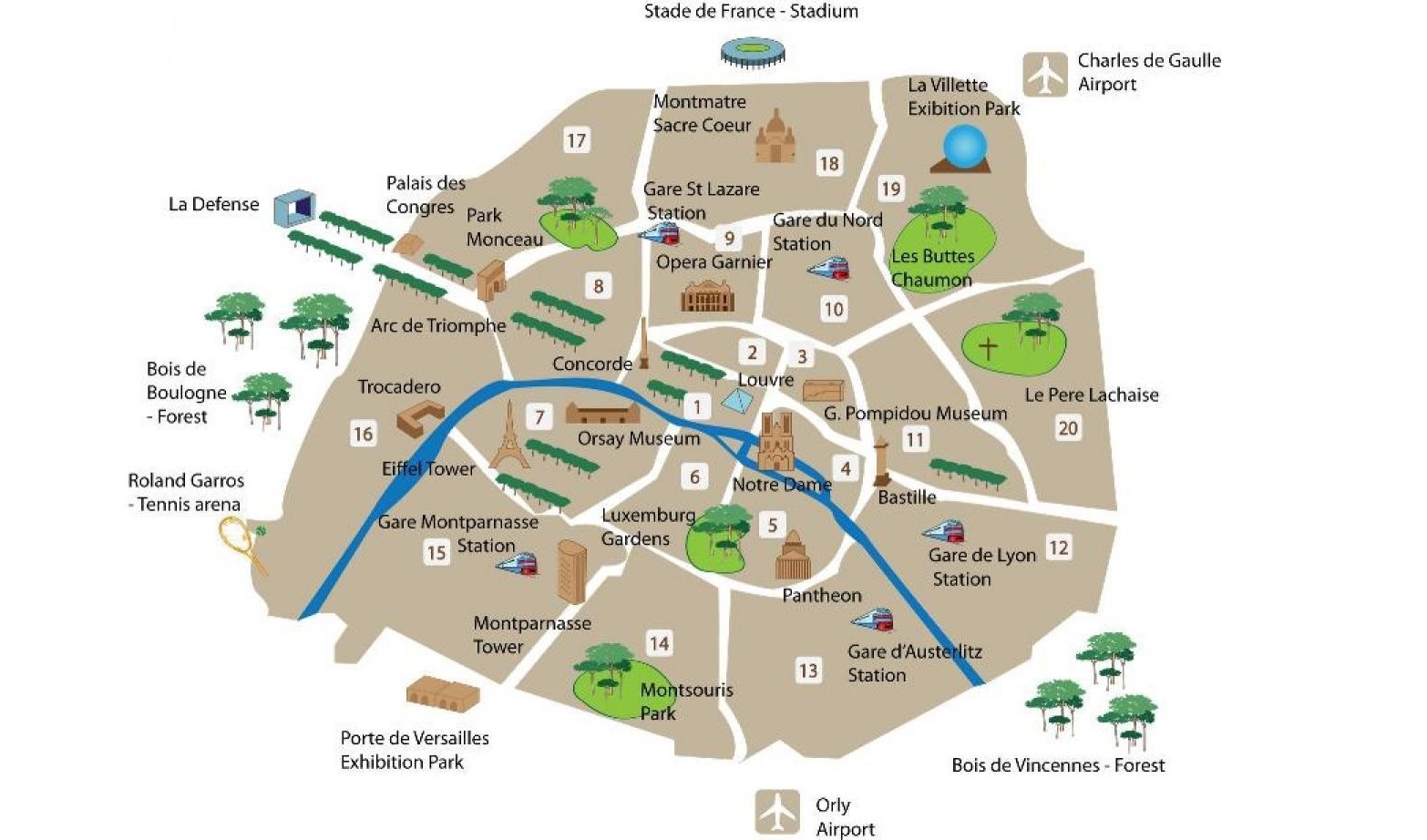
Moving to Paris is exciting, but choosing the right arrondissement is one of the most important decisions you will make. Each arrondissement has a distinct personality, school ecosystem, housing stock, and lifestyle rhythm. As a family or long‑term resident (rather than a tourist), factors such as school quality, commute times, green spaces, safety, noise, and apartment layouts matter far more than postcard charm.
Below is a detailed, arrondissement‑by‑arrondissement guide covering pros, cons, key monuments, schools, and practical tips to help you rent or buy wisely.
1st Arrondissement: Louvre
Pros
Living in the 1st arrondissement places you at the historical and geographic heart of Paris, with immediate access to iconic landmarks and the Seine. The area is extremely walkable and well connected by public transport, making daily life convenient despite the central location. Architecture is beautiful and prestigious, with classic Haussmannian buildings and refined streets.
Cons
Housing is scarce, expensive, and often smaller than in outer districts. Tourist crowds can make everyday errands feel hectic, especially around the Louvre and Palais Royal.
Key Monuments
- Louvre Museum
- Palais Royal
- Jardin des Tuileries
Schools
Public schools are limited but generally solid, such as École Élémentaire Saint‑Honoré. Families often rely on nearby private schools in the 2nd or 6th arrondissements.
💡 Tips
Best suited for couples or families with older children who value centrality over space. Expect fewer family‑sized apartments and higher price‑per‑square‑meter ratios.
2nd Arrondissement: Bourse
Pros
The 2nd arrondissement offers a village‑like feel while remaining very central. It is lively but less touristy than the 1st, with many cafés, startups, and food spots. Buildings are often well maintained and layouts can be more practical.
Cons
There are few green spaces, which can be limiting for families with young children. Some streets can feel busy during work hours due to offices.
Key Monuments
- Bourse de Commerce
- Passage des Panoramas
Schools
Local public schools such as École Dussoubs have a decent reputation. Families often supplement with extracurricular activities due to limited school playground space.
💡 Tips
A good compromise for families wanting central living without heavy tourism. Check noise levels carefully before renting.
3rd Arrondissement: Temple (Upper Marais)
Pros
The 3rd is elegant, quieter than the southern Marais, and rich in culture. Streets are charming, and many apartments have character and high ceilings. It attracts creative, international families looking for authenticity.
Cons
Prices remain high due to demand and limited inventory. Some older buildings lack elevators, which can be challenging with strollers.
Key Monuments
- Musée Picasso
- Musée Carnavalet
Schools
Good public options such as École Turenne, and proximity to reputable private schools in the Marais.
💡 Tips
Excellent for families who enjoy walking and cultural life. Prioritize buildings with elevators or ground‑floor storage.
4th Arrondissement: Hôtel de Ville
Pros
This arrondissement combines historic charm with vibrant neighborhood life. Île Saint‑Louis offers a calm, almost provincial atmosphere in the city center. Public transport access is excellent.
Cons
Tourism and nightlife (especially in the southern Marais) can create noise. Large family apartments are rare and expensive.
Key Monuments
- Notre‑Dame Cathedral
- Hôtel de Ville
- Île Saint‑Louis
Schools
Public schools are reputable, and there are several private Catholic schools nearby. International families often look elsewhere for bilingual programs.
💡 Tips
Ideal for families who prioritize charm and central living over space. Visit the area at night before committing.
5th Arrondissement: Latin Quarter
Pros
The 5th is intellectually vibrant, safe, and family‑friendly. It has a strong academic tradition and many respected schools. Green spaces like the Jardin des Plantes are a major asset.
Cons
Student presence can bring noise in certain streets. Housing prices are high, especially near prestigious schools.
Key Monuments
- Panthéon
- Jardin des Plantes
- Sorbonne
Schools
Excellent public schools such as Collège Henri IV (highly selective). Several strong private institutions attract repatriate families.
💡 Tips
One of the best arrondissements for education‑focused families. Buying is competitive; be prepared to move quickly.
6th Arrondissement: Saint‑Germain‑des‑Prés
Pros
The 6th is refined, calm, and extremely prestigious. It offers excellent schools, beautiful streets, and proximity to the Luxembourg Gardens. The neighborhood feels safe and polished.
Cons
Property prices are among the highest in Paris. Daily shopping options can be expensive and somewhat limited.
Key Monuments
- Luxembourg Gardens
- Saint‑Sulpice Church
Schools
Top‑tier public and private schools, including proximity to Lycée Montaigne.
💡 Tips
Ideal for families prioritizing education and serenity over budget. Rental opportunities are rare and competitive.
7th Arrondissement: Eiffel Tower
Pros
Elegant, calm, and residential, the 7th is very popular with families and diplomats. Apartments are often spacious with classic layouts. The area feels safe and orderly.
Cons
Can feel quiet to the point of being dull for teenagers. Prices are extremely high, especially near the Seine.
Key Monuments
- Eiffel Tower
- Musée d'Orsay
- Les Invalides
Schools
Strong public schools and respected private institutions like École Jeannine Manuel nearby.
💡 Tips
A top choice for expatriate families with school‑aged children. Expect long search times for rentals.
8th Arrondissement: Champs‑Élysées
Pros
Central and prestigious with excellent transport connections. Architecture is grand and well maintained. Convenient for professionals working in business districts.
Cons
More commercial than residential. Limited neighborhood life for children.
Key Monuments
- Champs‑Élysées
- Arc de Triomphe
Schools
Few schools within the arrondissement; families usually commute to nearby districts.
💡 Tips
Better suited for professionals than families with young children.
9th Arrondissement: Opéra
Pros
Dynamic, central, and relatively affordable compared to nearby areas. Good transport links and lively street life. Attractive for international newcomers.
Cons
Can be noisy and crowded. Limited green spaces.
Key Monuments
- Opéra Garnier
Schools
Decent public schools but limited private options.
💡 Tips
Check building insulation and street noise carefully.
10th Arrondissement: Canal Saint‑Martin
Pros
Trendy, multicultural, and increasingly family‑friendly. The canal offers outdoor space and community life. Prices remain relatively accessible.
Cons
Some streets feel less polished. Safety varies by micro‑neighborhood.
Key Monuments
- Canal Saint‑Martin
- Gare de l'Est
Schools
Improving public schools; motivated families thrive here.
💡 Tips
Visit different streets at different times of day before choosing.
11th Arrondissement: Bastille / Oberkampf
Pros
Lively, diverse, and popular with young families. Many renovated apartments and good local markets. Strong sense of community.
Cons
Nightlife can create noise issues. Some buildings are densely packed.
Key Monuments
- Place de la Bastille
Schools
Solid public schools with engaged parent communities.
💡 Tips
Excellent balance of price, energy, and livability if you choose quieter streets.
12th Arrondissement: Bercy
Pros
Very family‑oriented with plenty of green spaces. Modern housing stock offers better layouts. More affordable than central Paris.
Cons
Less historic charm. Longer commute to western business districts.
Key Monuments
- Bois de Vincennes
- Bercy Village
Schools
Good public schools and daycares.
💡 Tips
Highly recommended for families with young children.
13th Arrondissement: Gobelins / Bibliothèque
Pros
Multicultural, residential, and spacious. Modern developments near the Seine offer larger apartments. Well served by metro lines.
Cons
Less traditionally "Parisian" in feel. Some areas feel very modern.
Key Monuments
- Bibliothèque François‑Mitterrand
Schools
Good public schools and international sections nearby.
💡 Tips
Excellent value for space; popular with international families.
14th Arrondissement: Montparnasse
Pros
Calm, residential, and well balanced. Good schools and pleasant streets. Strong neighborhood identity.
Cons
Fewer major attractions. Can feel quiet for some.
Key Monuments
- Parc Montsouris
- Montparnasse Tower
Schools
Reliable public and private schools.
💡 Tips
A solid, low‑stress choice for long‑term family living.
15th Arrondissement: Vaugirard
Pros
One of the most family‑friendly districts in Paris. Plenty of schools, parks, and large apartments. Safe and residential.
Cons
Less nightlife and cultural buzz. Can feel uniform.
Key Monuments
- Parc André‑Citroën
Schools
Excellent range of public and private schools.
💡 Tips
A top choice for expatriate families prioritizing comfort and stability.
16th Arrondissement: Passy / Auteuil
Pros
Spacious, green, and prestigious. Excellent schools and quiet streets. Strong appeal for traditional families.
Cons
Can feel socially homogeneous. Prices are very high.
Key Monuments
- Bois de Boulogne
- Trocadéro
Schools
Some of the best schools in Paris, public and private.
💡 Tips
Ideal for families staying long‑term and prioritizing education.
17th Arrondissement: Batignolles
Pros
Rapidly evolving and increasingly popular with families. Mix of charm and modern living. Good parks and schools.
Cons
Uneven development by area. Construction in some zones.
Key Monuments
- Parc Martin‑Luther‑King
Schools
Improving public schools; new facilities.
💡 Tips
Focus on Batignolles area for best family experience.
18th Arrondissement: Montmartre
Pros
Picturesque, village‑like, and culturally rich. Strong community feel in certain pockets. Stunning views.
Cons
Tourism and uneven safety. Steep streets and older buildings.
Key Monuments
- Sacré‑Cœur
Schools
Variable quality; school choice is important.
💡 Tips
Street‑by‑street evaluation is essential.
19th Arrondissement: La Villette
Pros
Green, spacious, and affordable. Large parks and family‑oriented housing. Diverse and vibrant.
Cons
Some areas feel less secure. Longer commute times.
Key Monuments
- Parc de la Villette
Schools
Mixed reputation; motivated families do well.
💡 Tips
Excellent value if you prioritize space and parks.
20th Arrondissement: Belleville / Père‑Lachaise
Pros
Authentic, diverse, and increasingly attractive. Affordable prices and artistic energy. Strong local identity.
Cons
Still uneven in terms of safety and polish. Fewer elite schools.
Key Monuments
- Père‑Lachaise Cemetery
Schools
Improving public schools; limited private options.
💡 Tips
Best for adventurous families open to evolving neighborhoods.
Final Advice for Moving Families
When moving to Paris, prioritize schools, commute, noise levels, and apartment layout over reputation alone. Visit neighborhoods at different times of day, speak with local parents, and be realistic about space expectations.
Paris rewards those who choose the right arrondissement for their lifestyle, not just the most famous one.
Need help finding the right arrondissement?