Buying Off-Plan in France: A Practical Guide to VEFA
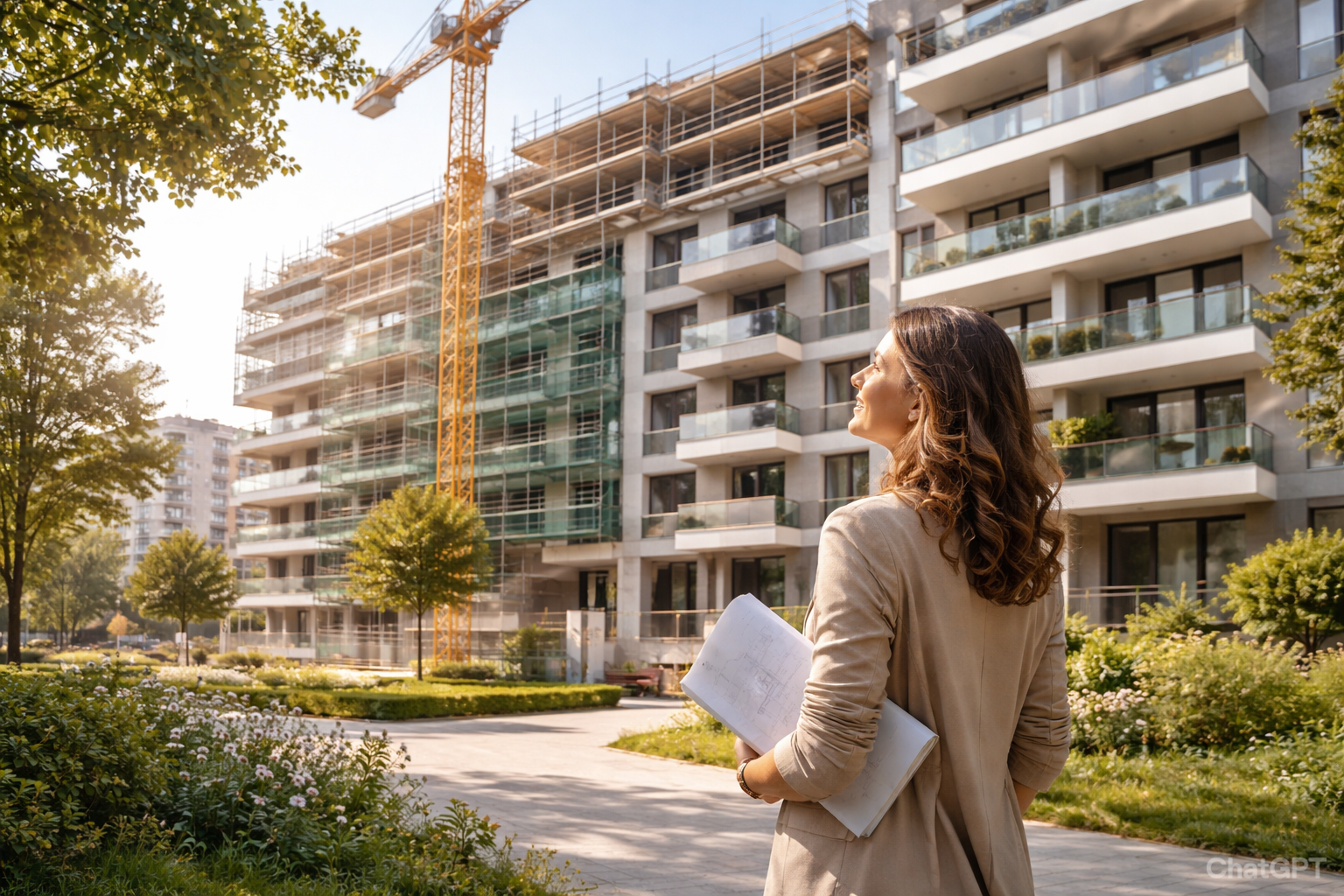
If you're considering purchasing a new-build property in France, you will quickly encounter the term VEFA — Vente en l'État Futur d'Achèvement. For many buyers, especially local and international investors, this concept is unfamiliar.
This guide explains what VEFA means, how buying a new property works in France, the advantages and disadvantages, and key factors to consider before committing.
What Is VEFA?
VEFA (Vente en l'État Futur d'Achèvement) translates to "Sale in a Future State of Completion."
It is the legal framework used in France when you buy a property off-plan — meaning you purchase it before construction is completed (and often before it even begins).
Under VEFA:
- You sign a reservation contract.
- You pay progressively as construction advances.
- The developer is legally required to complete the building.
- The property officially transfers to you as construction progresses.
- Final payment happens upon completion and handover.
VEFA purchases are strictly regulated under French law, offering significant buyer protections compared to many other countries.
What Is Considered a "New Property" in France?
A property is considered "new" when:
- It has never been lived in.
- It is newly constructed or recently completed.
- It is sold directly by a developer.
- It qualifies under French "immobilier neuf" regulations.
This includes:
- Apartments in newly built buildings
- New houses in residential developments
- Major renovations that legally qualify as new construction
Key Advantages of Buying New (VEFA)
1. Reduced Notary Fees (Frais de Notaire Réduits)
One of the most attractive benefits:
- New property: ~2–3% notary fees
- Existing property: ~7–8% notary fees
On a €400,000 apartment, this can represent €20,000+ in savings.
2. Strong Legal Protection
VEFA contracts provide:
- A 10-year structural warranty (garantie décennale)
- A 2-year equipment warranty
- A 1-year perfect completion guarantee
- A mandatory completion guarantee (the building must be finished even if the developer faces financial trouble)
This framework significantly reduces construction risk for buyers.
3. Energy Efficiency & Lower Operating Costs
New properties comply with the latest environmental standards (currently RE2020). Benefits include:
- Lower energy bills
- Better insulation and comfort
- Modern heating systems
- Higher resale value due to energy performance
4. Customization Options
Buying early allows you to:
- Choose floor materials
- Modify layouts (within limits)
- Select kitchen/bathroom finishes
- Personalize electrical outlets and fittings
5. Lower Maintenance Costs
Everything is new: plumbing, electrical systems, roof, elevators, facades. This usually means lower maintenance expenses in the first 10–15 years compared to older buildings.
The Disadvantages of VEFA
While attractive, VEFA is not risk-free.
1. Construction Delays
Delays of several months are common. Causes include:
- Weather
- Supply chain issues
- Labor shortages
- Administrative delays
If you are selling another property or relocating, timing risk must be considered.
2. You Buy Based on Plans
You cannot physically visit the finished product. Potential risks:
- Perceived room size feels smaller
- Finishes differ slightly from expectations
- View or surroundings change during construction
Review plans carefully.
3. Market Risk
If property prices fall during construction, you are still committed at the original price. Resale before delivery may be difficult. VEFA is best suited to buyers with a medium-to-long-term horizon.
4. Developer Risk (Although Protected)
Even though French law requires financial completion guarantees, administrative complexity may arise if a developer fails. Choose reputable developers.
How Payments Work in VEFA
Payments are regulated and made in stages:
- 5% at reservation (sometimes 2–5%)
- 35% when foundations are completed
- 70% when the building is weatherproof
- 95% at completion
- 5% at handover (can be retained if defects are noted)
You do not pay the full amount upfront.
Key Factors to Consider Before Buying
1. Location Still Comes First
A new building in a weak location is still a weak investment. Check:
- Transport access
- Schools
- Future infrastructure
- Neighborhood reputation
- Long-term demand
2. Developer Reputation
Research:
- Past projects
- Delivery track record
- Financial stability
- Online reviews
Well-known national developers often reduce risk.
3. Price per Square Meter
New property often carries a premium of 10–20% versus older comparable properties. Ask yourself:
- Is the premium justified by energy savings and reduced fees?
- How does it compare to resale property nearby?
4. Rental Potential (If Investment)
If buying to rent:
- Check rental caps (if applicable)
- Estimate realistic rent
- Understand local vacancy rates
New properties are attractive to tenants, especially in urban areas.
5. Delivery Timeline & Personal Plans
Be conservative about: expected delivery date, financing approvals, tax planning. Buffer time is essential.
Practical Tips for VEFA Buyers
✔ Review Plans Carefully
Ask for: detailed floor plans, orientation, sun exposure, technical specifications.
✔ Visit the Neighborhood Multiple Times
Morning, evening, weekend. Observe noise, traffic, shops.
✔ Negotiate
In slower markets, developers may offer:
- Free parking
- Reduced prices
- Upgraded finishes
- Lower reservation deposit
✔ Conduct a Thorough Handover Inspection
At delivery: test electrical outlets, check water pressure, inspect finishes, open and close all windows. Note defects formally. You have legal leverage before releasing the final 5%.
✔ Think Long-Term
VEFA is particularly attractive for:
- Primary residences
- Long-term rental investments
- Buyers prioritizing energy efficiency and low maintenance
It is less suited for short-term speculation or buyers needing immediate occupancy.
Is VEFA Right for You?
VEFA offers a structured, legally protected way to buy a brand-new property in France with reduced notary fees and strong warranties.
It works best for buyers who:
- Have time flexibility
- Value energy efficiency
- Want modern comfort
- Plan to hold the property long term
As with any real estate purchase, location quality and financial discipline matter more than whether the property is new or old.
Need help with your property project?